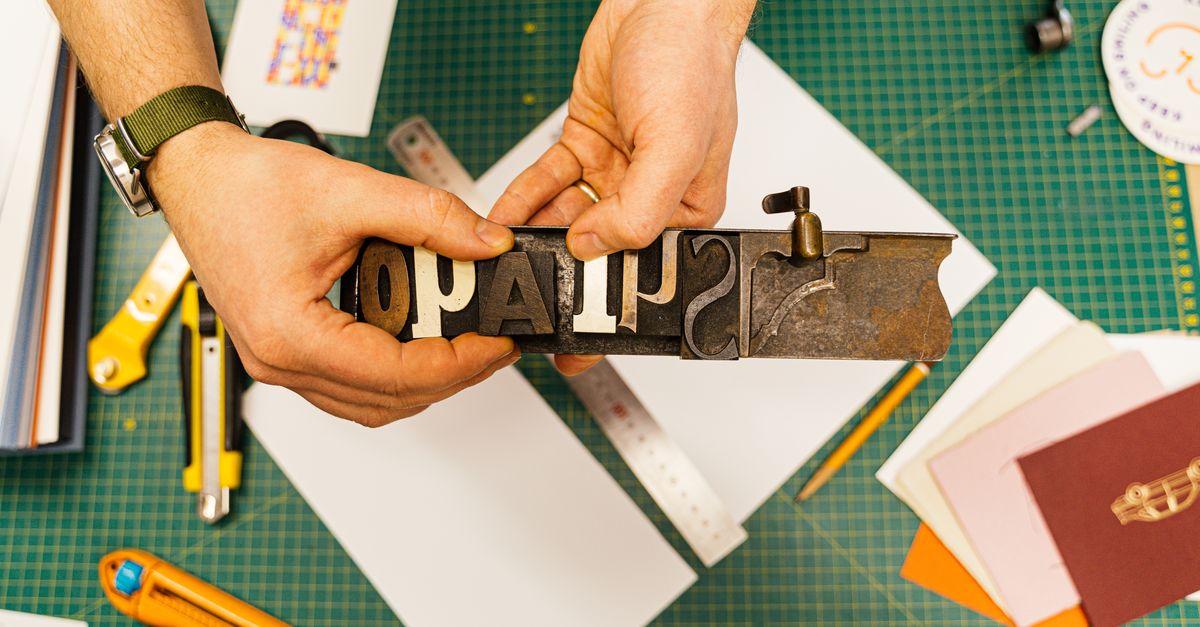
Hand-set metal type
Setting a paragraph line by line, reading the stick as you build it, and catching a loose quoin before the ink goes down. The failures get written up alongside the runs that held.
A short path, the same one whether you are setting type in Observatory or binding zines in Braamfontein. No account, no queue, no promises about what lands next.
Start with the pieces on hand-set metal type, paper stock and risograph behaviour. They are written from workshop afternoons, not from a desk, and they tell you plainly what went wrong.
Letterpress, risograph, bookbinding, paper or independent publishing. Each thread gathers the notes and open studio days that sit closest to the work you are actually doing.
Tell me what you are printing, which stock you are fighting with, or where a forme came loose. Questions about technique, tools and materials are the ones I answer first.
If you share your city or town, I can pass on the suppliers, binders and open days I know of in that area. It is a short list, kept by hand, and it grows slowly.
The blog updates slowly and on purpose. New notes appear when a run is finished or a method has been tested enough times to write about honestly, so there is no schedule to keep up with.
Browse the resources for supplier lists and open studio days, or see the use cases for how these notes get applied in small studios.
Five working threads run through the notes here. Each one is a subject I keep returning to because it keeps teaching me something new at the press.
Setting a paragraph line by line, reading the stick as you build it, and catching a loose quoin before the ink goes down. The failures get written up alongside the runs that held.
How weight, grain direction and coating change what a sheet does under pressure, and which stocks are actually findable from suppliers working in South Africa.
Misregistration, roller marks and ink that dries on its own schedule. Notes on designing with the drift instead of fighting a machine that was never built for precision.
Saddle stitch, pamphlet and coptic compared for editions of twenty to two hundred copies, with honest notes on thread weight, hole spacing and time per book.
One window, one diffuser, a low angle across the sheet. How to show paper grain and the relief of a deep impression without a studio, and where that setup simply runs out.
Conversations with independent publishers and binders around the country, plus short lists of local suppliers and open studio days worth the trip.
These are the subjects and formats the notes keep circling back to. Nothing here runs to a schedule, and nothing is promised in advance. It is simply where the work tends to go next.

Spacing, justification and the small corrections that decide whether a page holds on press. Written for people standing at a composing stick, not reading about one.
Read the notes on setting type
Weight, grain and coating change what the ink does. Comparisons lean toward stocks you can actually find locally, and toward the ones that fight back.
Compare paper stocks
Misregistration, roller marks and ink that dries on its own terms. Notes from repeated small runs, aimed at designing with the drift rather than against it.
Read the risograph notes
Saddle stitch, pamphlet, coptic. What each one asks for in tools and time, and which suits an edition of twenty rather than two hundred.
See the binding methods
One window, one diffuser and an honest account of what a desk setup can and cannot capture. Paper grain and ink relief, without a studio.
Read the lighting notesConversations with independent publishers and binders working across South Africa, plus short lists of local suppliers and open days worth the trip. Formats stay mixed: process photos with brief notes, longer reflections on a failed run, and the occasional interview.
If you want to see how these threads fit together, the use cases page groups them by craft, and resources collects the reference material behind them.
We keep a small amount of information in your browser to remember how you arrived here and to keep the pages working as expected. Nothing is shared with advertising networks, and you can change your choice at any time by clearing your browser storage. Read the full details in our privacy policy.