Field notes
Zine Binding Methods for Short Runs
Staple, pamphlet, coptic and the choices that suit a small edition
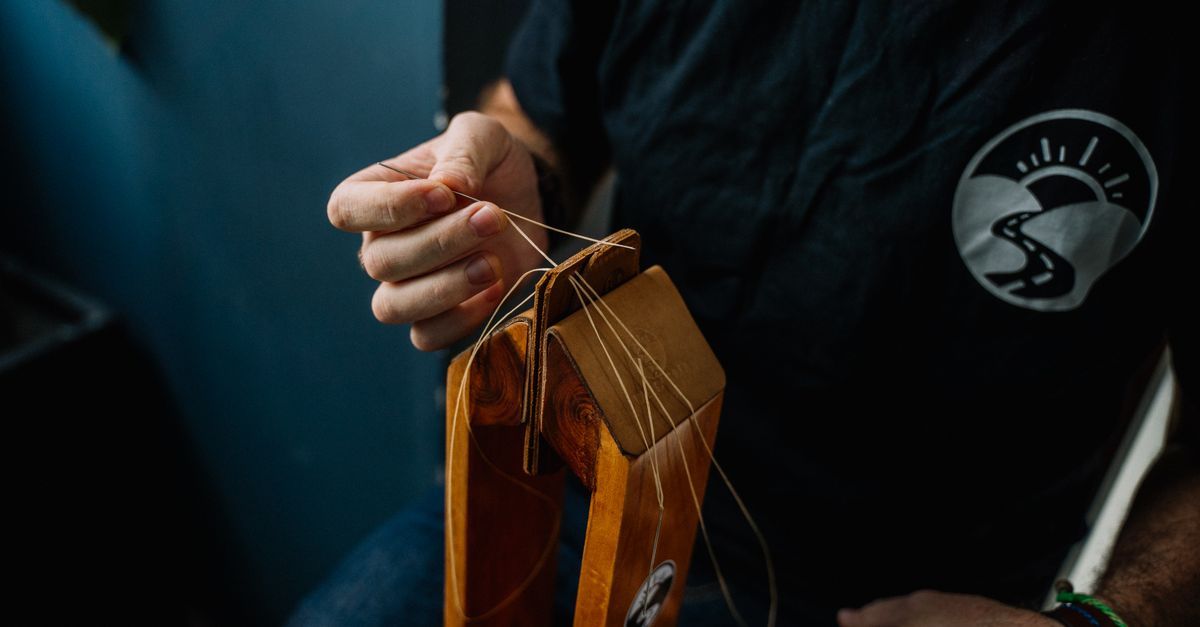
Binding is the first thing a reader feels and the last thing most of us plan for. Long before anyone reads a line, the weight of the book in the hand, the way it falls open, and whether the spine cracks on the second look all come down to a decision made at the binding table.
A saddle stitch is the fastest route for a short run and forgives a slightly off fold. A pamphlet stitch with a visible thread slows the process down and adds a weight that readers notice. Coptic binding opens flat and holds up over years, but it asks for patience, a steady awl and a willingness to redo a signature that has drifted.
For editions of twenty to two hundred copies, the choice usually comes down to time per book rather than materials. Thread weight, hole spacing and how much of the spine you leave exposed all shift the result more than people expect.
What each method asks of you
Saddle stitch
Two or three staples through the fold. Fast, forgiving, and the natural fit for a zine under forty pages. Watch the alignment at the head, because a staple set slightly low shows on every copy.
Pamphlet stitch
A single signature sewn with linen thread through three or five holes. The visible stitch on the spine is part of the design. Pull the thread snug, not tight, or the paper tears at the holes.
Coptic binding
Exposed chain stitching across the spine, opening flat and lasting well. It rewards a steady awl and consistent hole spacing. Slow per copy, so it suits a small edition rather than a large one.
Small decisions that show up later
Fold against the grain and the signature will crack along the spine within a week. Fold with it and the paper lies flat without a fight.
Thread weight changes the look of the spine more than the stitch pattern does. A heavy linen thread reads as a deliberate mark; a fine one almost disappears.
Hole spacing set by eye drifts across a run. A simple paper template, punched once and reused, keeps every copy in line with the first.
Trimming is where a good run goes wrong. One copy cut a millimetre shorter than the rest is the one a reader will pick up.