Who We Are

Field notes from the working side of South African print

Hunter Ashworth is a writer and printmaker. Most weekends are spent in letterpress workshops, second-hand bookshops and small studio rooms around Observatory, Woodstock and Braamfontein, watching type get set, paper get chosen and ink get mixed.

This blog comes out of that routine. It is slow on purpose. Posts are written for letterpress operators, independent publishers, binders and students who work in small studios, and they stay close to what actually happens at the bench: what held, what failed, and the small corrections that decide whether a page survives the press.

Nothing here is written from a distance. If a run goes wrong, the notes say so. If a paper fights back, that gets written down too.
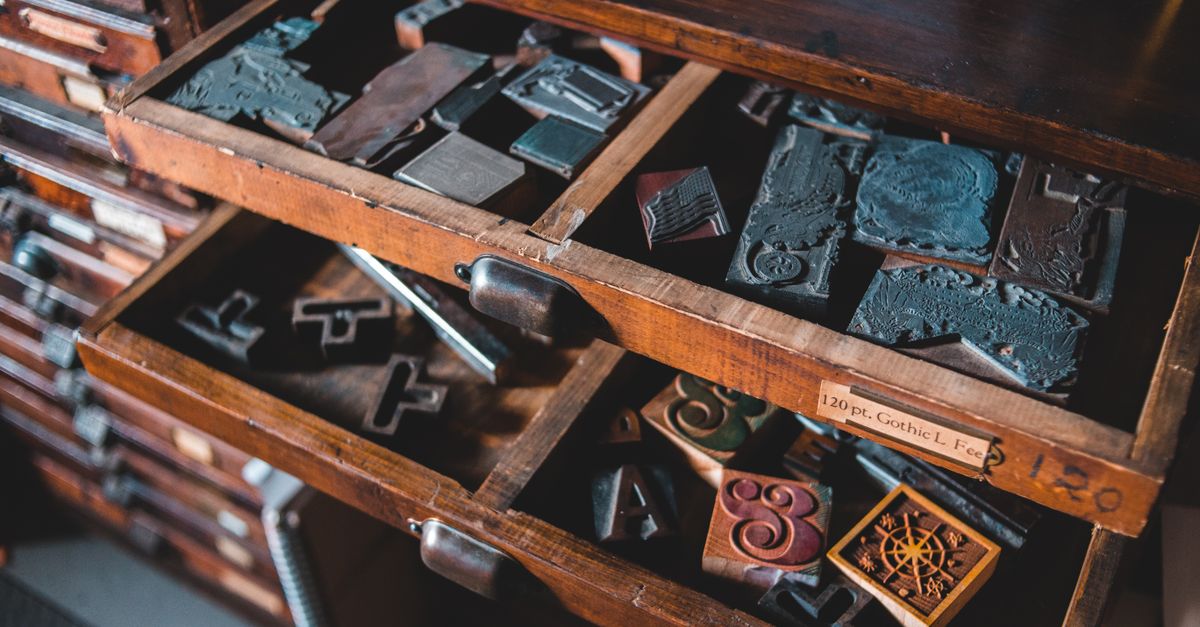
Hunter Ashworth: who we are

What the notes cover

Hand-set metal type, paper stock choices, risograph quirks, zine binding methods and the lighting used to photograph prints without a proper studio.

Who it is for

People who get their hands dirty: letterpress operators, independent publishers, binders and students in small studios across the country.

How it is written

Practical, warm and unpolished. Process photos, ink recipes, short lists of local suppliers and open studio days, plus honest notes on what did not work.

Postal address: The Mills, 66 Carr Street, Newtown, Johannesburg, 2001, South Africa hello@hunterashworth.com +27 72 704 6819

How the notes get made

There is no editorial calendar here and no publishing schedule to keep. The order below is simply the order things tend to happen in a working week.

  1. Step one

    A weekend in the workshop

    Most of the material starts in a letterpress workshop, a second-hand bookshop or a small studio space around Observatory, Woodstock or Braamfontein. Type gets set, paper gets chosen, ink gets mixed, and something usually goes wrong along the way.

  2. Step two

    Notes taken while the ink is still wet

    Measurements, spacing corrections, ink ratios and the small decisions that changed the outcome get written down on the spot. Anything that failed is recorded with the same attention as anything that worked.

  3. Step three

    Photographs under whatever light is available

    Prints and type get photographed on a desk or near a window, with a single diffused light source where possible. The aim is to show paper grain, ink texture and the relief of a deep impression rather than to make the work look polished.

  4. Step four

    Writing it up slowly

    Posts are assembled over days rather than hours, usually with a short list of local suppliers or open studio days attached. Nothing is published until the details have been checked against the actual run.

Who the notes are written for

Letterpress operators, independent publishers, binders and students working in small studios. People who mix their own ink, argue about paper weight and know that a loose quoin will ruin a forme. If that sounds like your week, the notes are for you.

Where the notes come from

Hunter Ashworth is a writer and printmaker. Most weekends go into letterpress workshops, second-hand bookshops and small studio rooms around Observatory, Woodstock and Braamfontein.

The blog grew out of that routine rather than a plan. Watching type get set line by line, arguing with a paper choice, mixing ink to a colour that only exists on the mixing slab, then photographing the result under whatever light the room happens to have.

It is written for the people in those rooms: letterpress operators, independent publishers, binders and students working out of small studios. Practical, warm, and unpolished on purpose. When something fails, the failure stays in the post.

Materials first

Metal type, paper stock, ink and thread. The notes stay close to what you can actually hold, weigh and cut, because that is where most decisions get made.

Honest about failure

A loose quoin, a misregistered second pass, a fold that cracked along the grain. Those notes are usually more useful than the ones where everything worked.

Slow by design

Posts appear when there is something worth writing down, not on a schedule. Field notes take time to settle before they are worth passing on.

Local and specific

South African print culture, type and small presses. Short lists of suppliers and open studio days sit alongside the process writing, kept to what is genuinely useful nearby.

Reach the writer

Questions about technique, tools or materials are welcome. Post and studio enquiries can go to the address below.

The Mills, 66 Carr Street, Newtown, Johannesburg, 2001, South Africa

+27 72 704 6819

hello@hunterashworth.com