Field notes
Choosing Paper Stock for Letterpress and Risograph
How weight, grain and coating change what the ink does
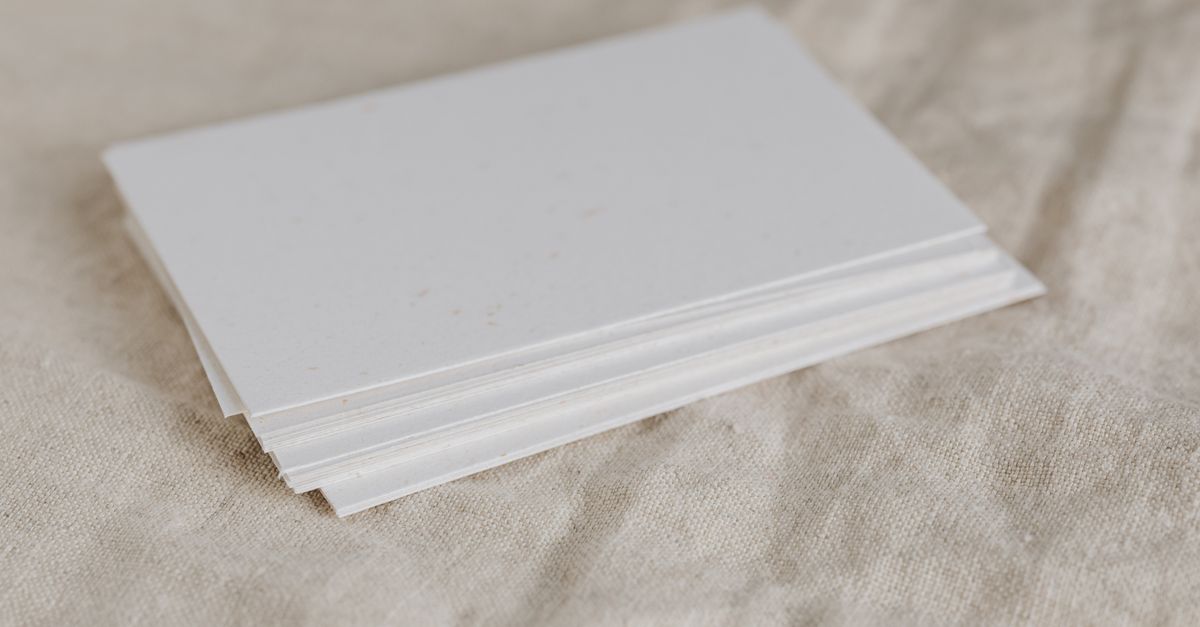
Paper is the variable that catches people out when they move from a digital proof to a real press. A soft cotton sheet takes a deep impression and holds fine hairlines. A hard-sized stock does the opposite: it crushes the type and leaves a halo of ink around every letter.
This guide compares a handful of stocks you can actually find in South Africa, looking at weight, surface and how each one responds to letterpress and risograph. Grain direction matters more than most people expect, especially when you fold a cover. And humidity in a Cape Town winter will change how a sheet feeds through the press, sometimes within the same afternoon.
Soft cotton and laid sheets
These take a deep bite from the type and hold fine hairlines without filling in. The trade-off is a softer edge on the impression and a surface that shows every fingerprint before it goes under the press.
Hard-sized uncoated stock
Cheaper and easier to source, but it fights back. The type can crush into the surface and the ink sits on top rather than sinking in, which shows up as a halo around each letter.
Grain direction is worth checking before you commit to a fold. Bend a corner of the sheet: if it folds cleanly along one axis and cracks along the other, you have found the grain. Fold with the grain and the cover stays flat. Fold against it and the spine will fight you every time.
Two failures worth naming. A damp sheet that cockled after printing, because it was stored near a window and never fully dried out. And a misjudged trim that cut into the margin of a small edition, which meant reprinting the whole run. Neither was a press problem. Both were paper handling problems.
Before you buy a ream
- Ask for a sample sheet and run a test impression before committing to a full order.
- Check grain direction by bending a corner, not by reading the label.
- Store sheets flat and away from windows so humidity does not curl them.
- Note the weight and surface of anything that works, so you can ask for it again.
If you want the earlier notes on spacing and justification, they are in Setting Metal Type by Hand in a Woodstock Workshop. More posts sit on the blog, and questions about stock or suppliers can go to contact.